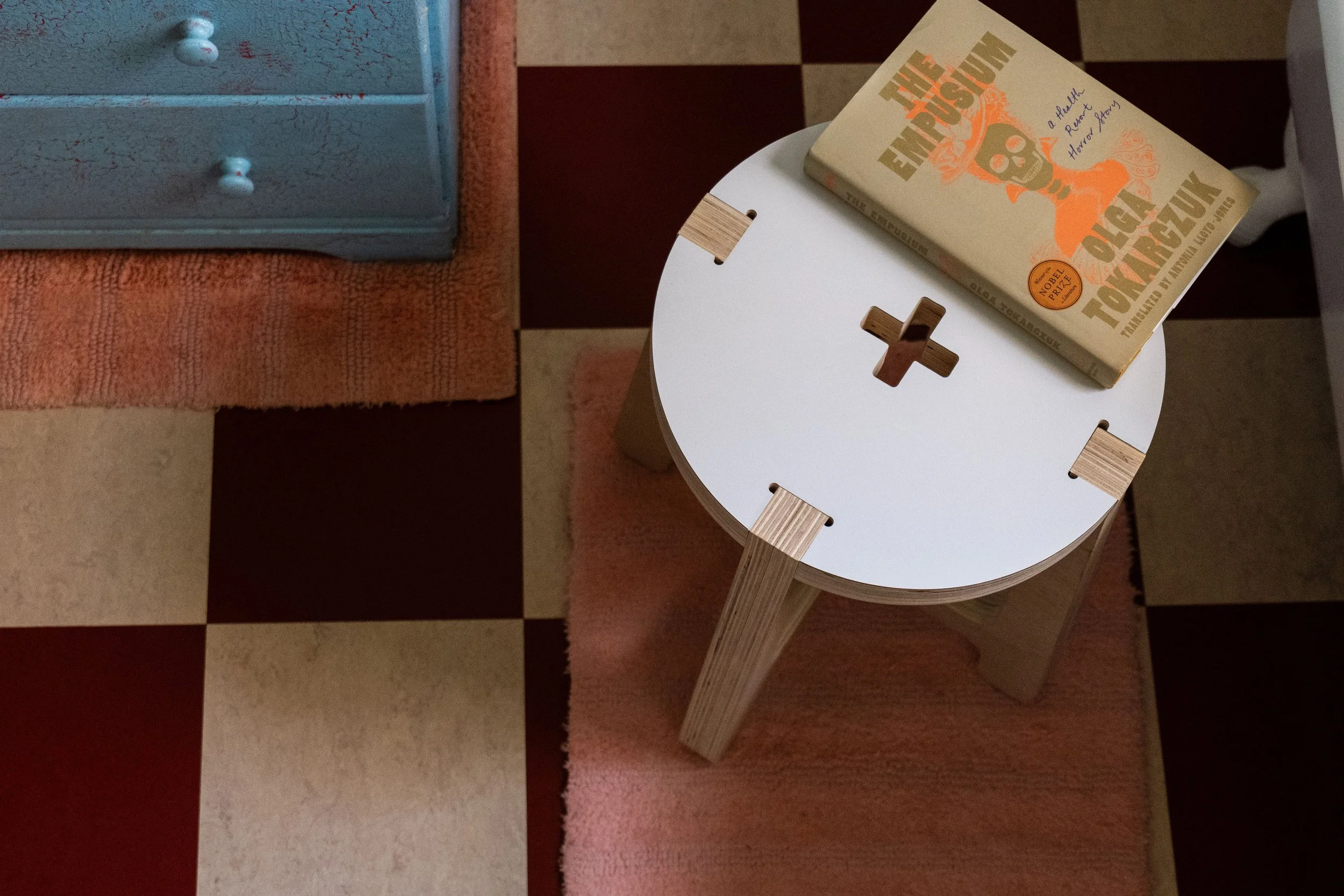
A furniture problem?
For decades, furniture was made with longevity in mind. In Canada, dining room tables hosted generations; dressers lasted through childhood, university, first apartments, families, and sometimes even grandchildren. Furniture was built to survive life’s changes. Many of these older pieces still circulate in the antiques and second hand markets as functional as the day they were made perhaps gently marked by the patina of the humans who gathered around them.
For a variety of reasons we’ve seen this durable furniture shift to a mass-market, cheap, imported and disposable flat-pack. Lower quality furniture, combined with fashion cycles and a throwaway culture, has turned furniture into one of Canada’s fastest-growing waste streams. According to the National Zero Waste Council (NZWC), Canadians discard roughly 672,000 tonnes of furniture every year. NZWC. Many of these pieces are headed to landfill or incineration - because they were not designed to be repaired, remanufactured or re-used.
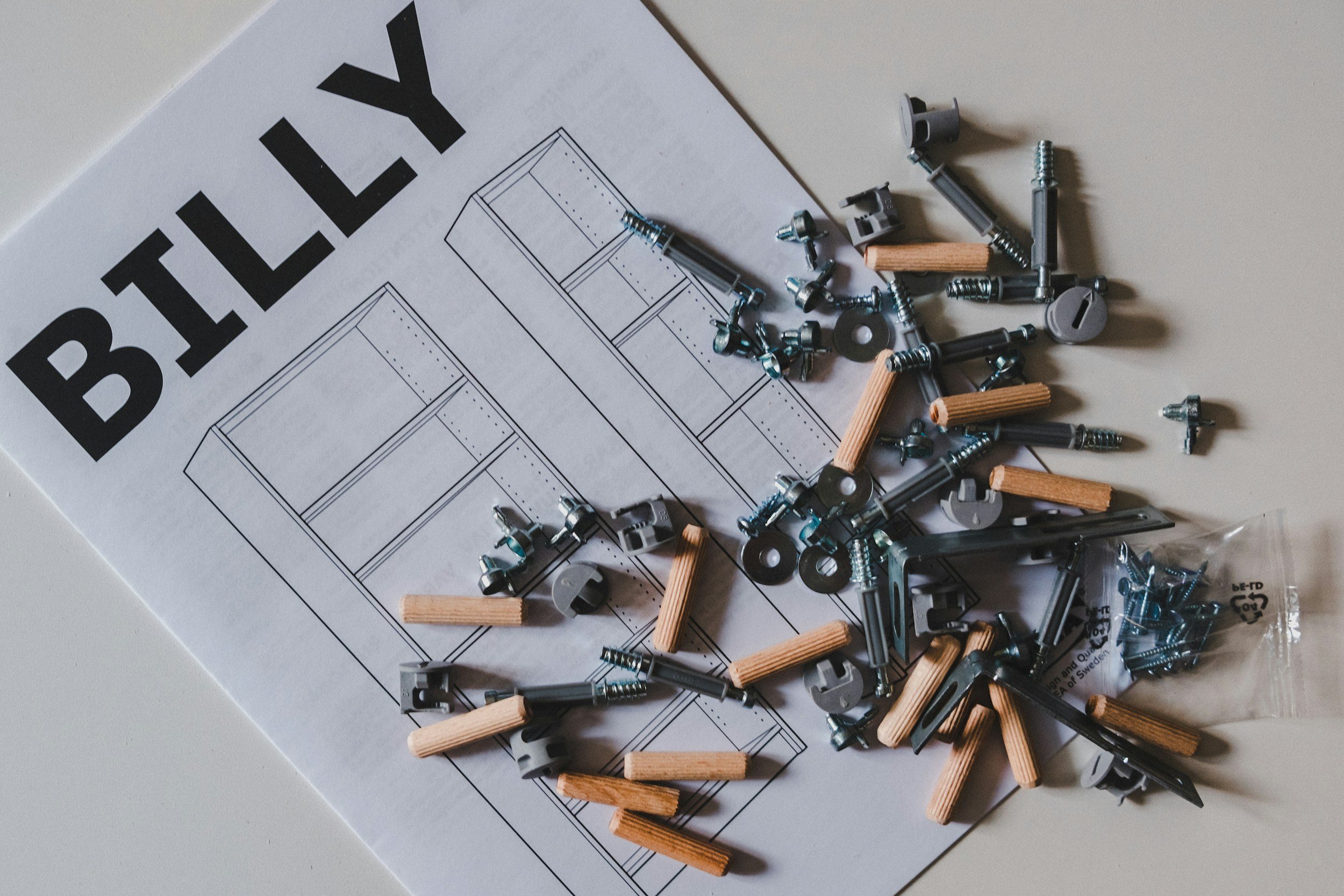
The environmental and social cost is mounting. Furniture made of low-cost particleboard, mixed plastics, foam, adhesives and synthetic materials break down, wear out and it leak. chemicals. All of this burdens soil and groundwater and imposes a heavy lifecycle carbon footprint. (Fast Furniture - Ref co.)
Canada Has Changed — Housing, Mobility, Consumer Habits
At the same time as a move towards fast furniture Canadian living patterns shifted dramatically.
Urban housing has shrunk. According to a survey of Canadian condominium trends, average unit-size has declined markedly since the 2000s. (The real estate institute of Canada)
More Canadians rent, move frequently, or downsize: condos, micro-units, and small apartments dominate new construction.
The nature of work has changed - hybrid work, remote jobs, and flexible lifestyles demand furniture that is adaptable: easy to move, reconfigure, or re-use. Meanwhile, housing affordability and mortgage stress are intensifying these pressures.
In short — the average household no longer wants a heavy oak bedroom set that will live in one house for 25+ years. They want pieces that fit small spaces, survive moves and adapt to new space.
We think the market hasn’t caught up. Most “flat-pack” furniture remains disposable by design — and “solid wood heirloom” furniture remains out of reach or unsuited to modern urban mobility.
We think there might be a better way!
We believe the future of furniture is neither disposable nor static. It’s durable, modular, flat-pack, repairable, local - and designed to move with you.
This shifts fits with the broader movement known as the circular economy: a rejection of linear “take-make-dispose” models, in favor of re-use, repair, remanufacturing, and long-term value.
But we need furniture designed for that world — not always fancy heritage furniture built for large homes and budgets, nor cheap imports built for replacement. We need pieces optimized for:
Durability and longevity — built with materials and joinery that hold up to decades of use.
Flat-pack and modular design — easy to assemble, disassemble, reconfigure, and move.
Distributed, local or regional manufacture — reducing carbon and shipping costs, enabling quick restocking, and supporting local jobs and economies.
Repairability and lifecycle care — encouraging maintenance, reuse, and eventually reclamation or remanufacture.
Aesthetic and emotional durability — designs that are timeless, unpretentious, and flexible across spaces and uses.
This new kind of furniture isn’t a niche. It’s the furniture that fits the way people live now. It’s the furniture that responds to real waste problems, climate imperatives, changing housing realities, and evolving consumer values.
That’s why we founded Bothy Studio.
Why Bothy Studio
We build furniture that is flat-pack but not disposable. That ships well and assembles easily — but lasts long. That can be produced by local workers in small workshops across Canada — instead of overseas factories. That can move, adapt, age gracefully, and keep being useful years later. We are not building luxury heirlooms. We are building essentials - honest, resilient, functional, and rooted in a sustainable, circular future.